Health
FinchFile verdict
DependsScientists thought they knew how this 70-year-old leukemia drug worked
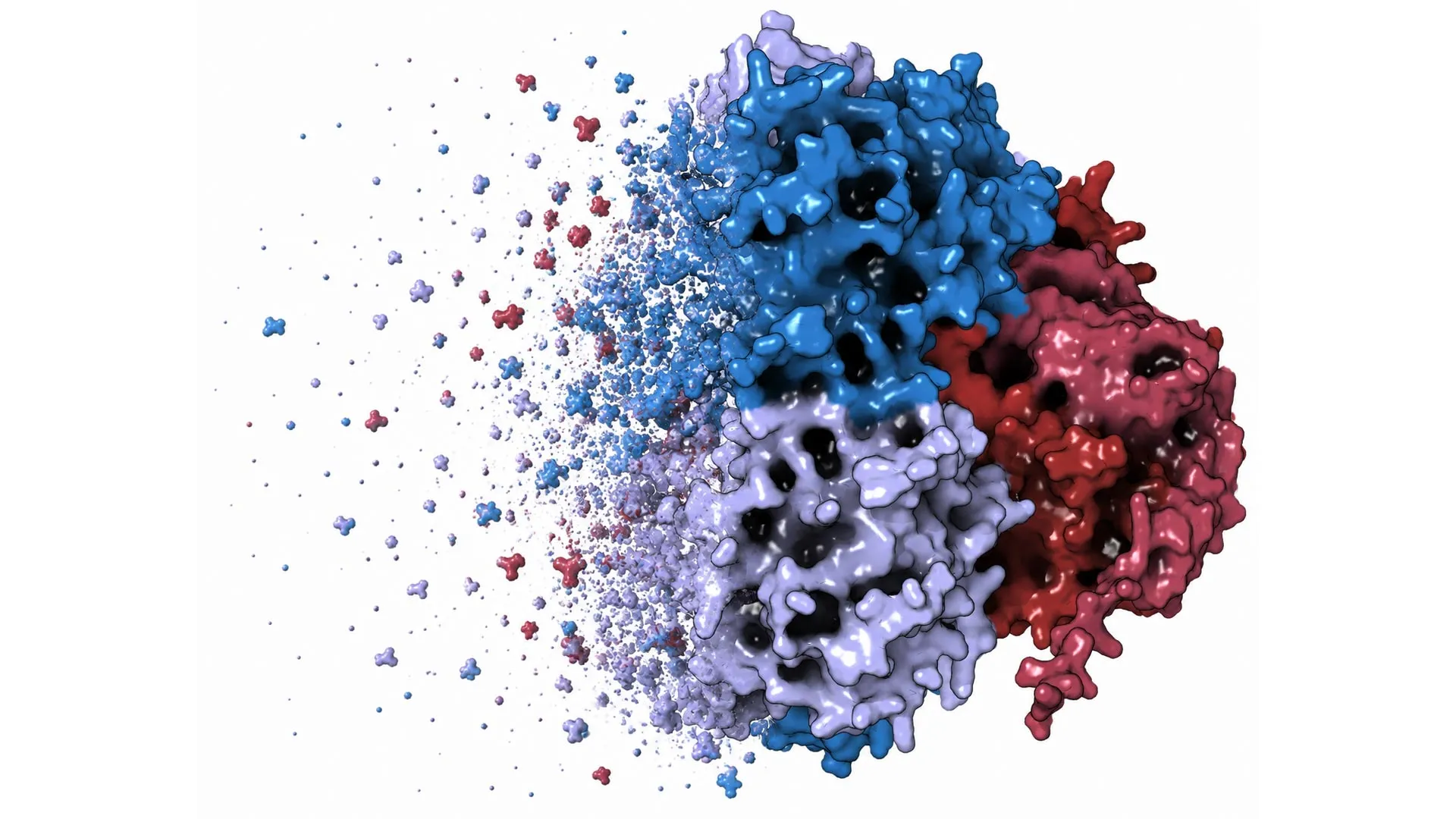
What the article says. ScienceDaily Health published “Scientists thought they knew how this 70-year-old leukemia drug worked.” In the piece, they put it this way: A 70-year-old leukemia drug is still revealing new secrets. Researchers found that removing a protein called NUDT5 protected cells from the drug, even though simply blocking the protein had little effect. The unexpected result points to a hidden cellular role that could help explain why people respond differently to certain leukemia treatments. That is the claim and framing readers are being asked to accept — what happened, who is saying it, and what it is supposed to mean. The desk write-up stays with that substance: not a restated headline alone, and not a stamp without…
Why this stamp.
- “Scientists thought they knew how this 70-year-old leukemia drug worked” may be true only under conditions the headline skips — timing, who you are, or what “counts” as proof. The desk leaves room for those missing pieces instead of forcing a hard Real or No Proof.
- The claim rests on attribution, a soft verb, or an unfinished process rather than a closed fact on the record. That is unsettled coverage, not packaging alone and not a settled event.
- A fair desk leaves it Depends until the missing condition or second check lands. Readers get the stamp that matches the uncertainty in the piece.
Your verdict